Steel Metallurgy
Steel Metallurgy

There is a wide variety of metallurgical equipment, all of which are fitted with various
types of bearings. These bearings are used under operating conditions specific to
metallurgical equipment—namely ‘iron dust’, ‘water’ and ‘heat’—and must
also withstand conditions such as ‘heavy loads combined with vibration and impact’
and ‘rapid acceleration and deceleration from ultra-low to high speeds’, operating
under extremely harsh conditions.
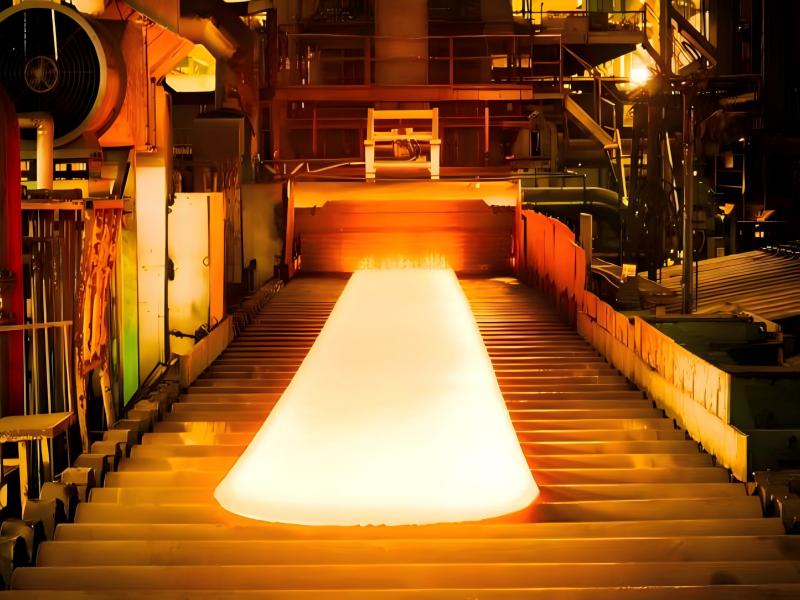
The steelmaking process is extremely demanding; equipment must operate in environments
with temperatures as high as 3,000°C, loads of 3,000 tonnes, extremely slow oscillations,
peak loads and vibrations. Every day, it faces high temperatures, large volumes of cooling
water and high impact forces, whilst also having to cope with ever-increasing production
demands and the challenge of maintaining or even improving the quality of finished products.
At the same time, operators face pressure to reduce unit costs, improve product quality and
minimise environmental impact; for an industry where ensuring reliable, safe daily production
is already difficult, these challenges are formidable. whilst simultaneously overcoming daily
challenges involving high precision, heavy loads, high speeds and corrosive coolants;
reducing unplanned downtime and production interruptions; lowering labour and spare parts
costs; extending maintenance intervals; and eliminating the need for manual lubrication at
lubrication points in harsh operating environments, thereby reducing risks and accidents.
Recommend
-

-

QQ Zone
-

Sina Weibo
-

Renren.com
-

Douban